Proactive vs. Reactive Medicine
Why "Normal" Isn't Always Optimal
Most of us treat our health like a car we only take to the mechanic when it breaks down. We ignore the small warning lights - until one day we're stranded on the highway. This is reactive medicine: wait for a problem, then fix it.
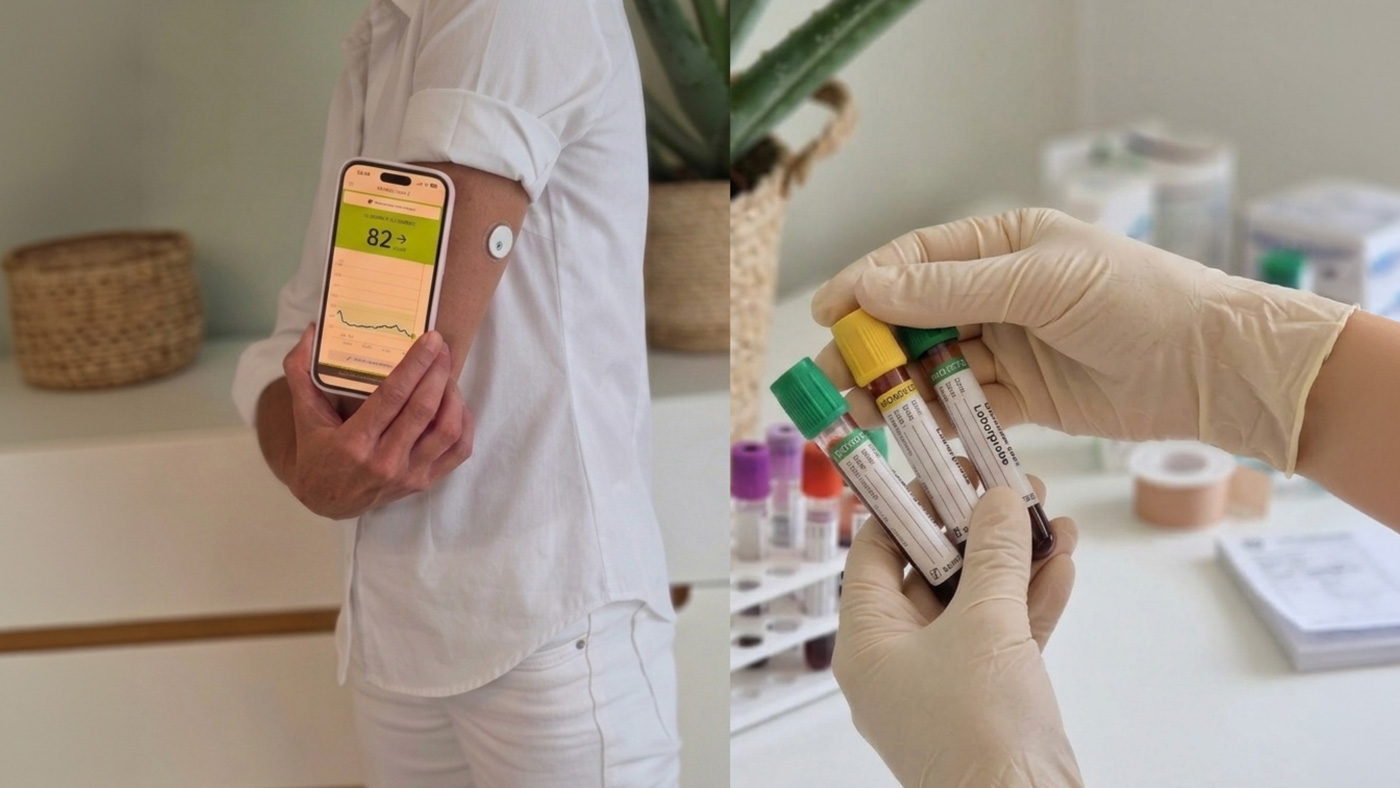
In our practice, we work differently. We want to notice small signals early, and we bring in specific lab diagnostics, such as HbA1c, to uncover early deviations from the optimum before they turn into something bigger. German has a fitting word for this: Befindlichkeitsstörungen - those diffuse states like fatigue, mood swings, bloating, or tension that don't yet have a diagnosis, but definitely aren't "nothing." To us, they're messages: your nervous system is overloaded, your blood sugar is swinging too much, your immune system needs rest.
Why catching this early matters - a real example
A fasting glucose of 99 mg/dl or an HbA1c of 5.6% is often filed away as "normal" - technically within the reference range. But that range only shows what's common, not what's optimal.
This is where we step in: by looking at fasting insulin alongside glucose and HbA1c, we can often see the earliest chapter of the story - insulin quietly climbing years before glucose numbers move at all. That tells us someone is on the road toward type 2 diabetes, long before a routine check-up would catch it.
We don't wait for an HbA1c above 6.5% and a finished diagnosis. We read the trend at 5.6%, look for the underlying insulin resistance, and act - with nutrition, movement, sleep, and stress
What this looks like in practice
● Persistent tiredness → Is your blood sugar crashing? Are you sleeping deeply enough? - instead of just another coffee. ● Mood swings → Is your nervous system stuck in high alert? - instead of just pushing through. ● Recurring aches → Is this inflammation, tension, or a signal? - instead of just another painkiller. This requires no perfection - just curiosity and the right data. A walk, an earlier bedtime, more protein instead of sugar, a glucose monitor for a few weeks. These are the small, informed choices that help create health and wellbeing over time.
We look at your trajectory, not just a single measurement
A single lab value is a snapshot. What interests us is the trend - is your fasting insulin rising over the years, even if it's still "within range"? This is the question we keep asking, long before a reactive approach would even think to look. Your body is always talking to you. We help you listen earlier - and find your way back to balance, before you ever need a mechanic on the highway.